 THE UNIVERSITY OF CHICAGO

Announcing the 2026-27 Faculty Research Fellows
The Center for International Social Science Research is pleased to welcome the newest members of its scholarly community.
Since 2017, CISSR's Faculty Fellows Program has supported international, transnational, and global research projects that are empirical in nature. The program is designed to support social scientists from any discipline, working in any geographic region, regardless of methodological approach. The center provides up to $25,000 for faculty research projects at any stage of development.
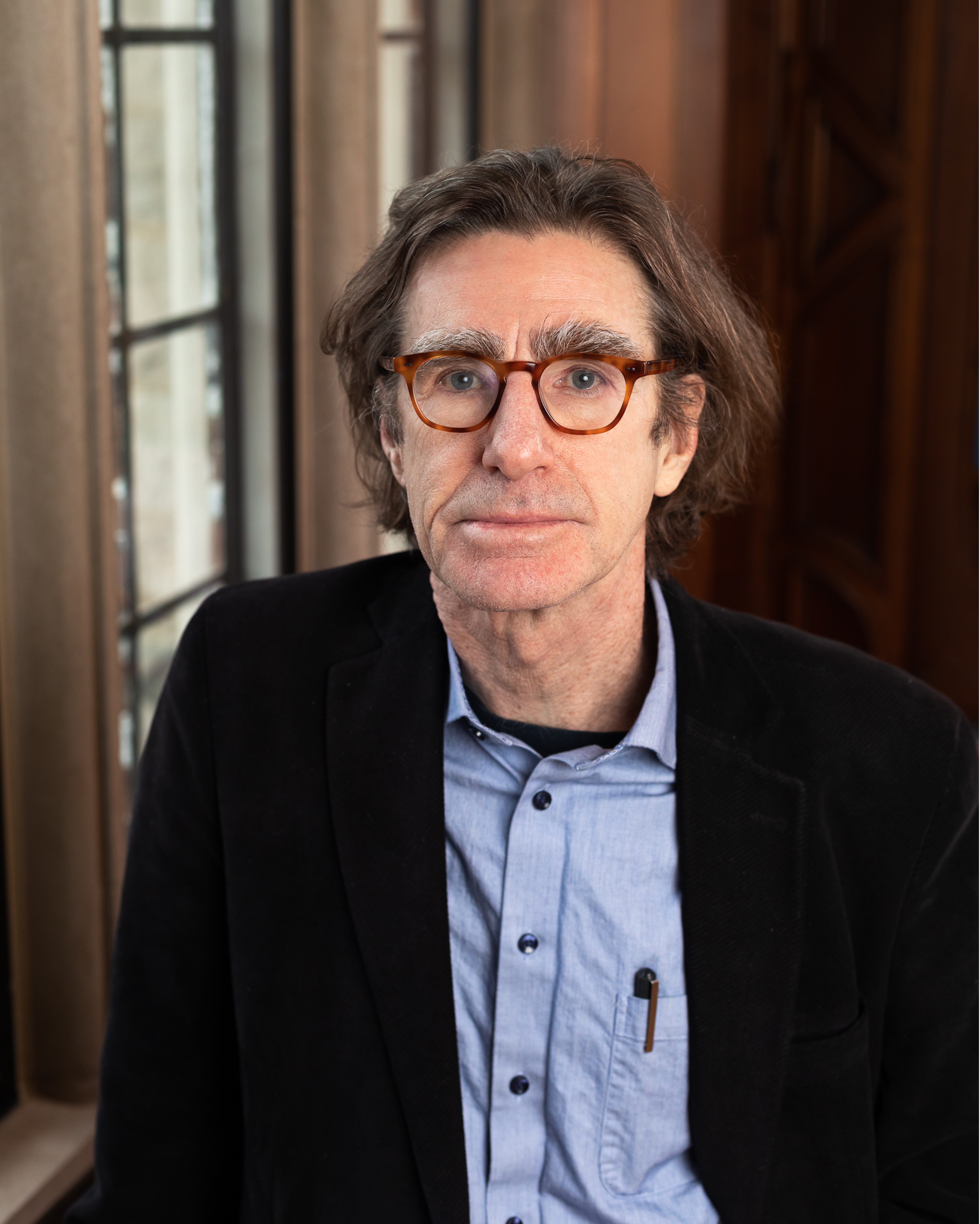
Gary Herrigel (Political Science)
“Property, Nature, and Self-Rule. The Rise and Decline of Industrial Agriculture in the US and Germany”
My CISSR funding supports my book project on the rise and decline of industrial agriculture in Germany and the United States between the 19th and 21st centuries. There are three parts to my study. The first looks at debates about the position of agriculture in an industrializing society as well as efforts to embrace commercial and scientific practices that allowed the sector to industrialize during the 19th and first part of the 20th century. The second part looks at the triumph of industrialization in agriculture in both societies at mid 20th Century. The US moved most aggressively and completely toward full industrialization beginning with the New Deal and ending with the farm crisis of the 1980s. Germans were more ambivalent about full industrialization and only fully relented to industrialization during the 1960s and 70s with pressure from the European Community and Social Democratic domestic governments. The third part examines the crisis in the system of industrial agriculture beginning at the end of the 20th and accelerating in the 21st century. This part will outline the economic, social, political and environmental ills that industrialization has created and investigate efforts in both countries to establish more regenerative, environmentally and socially sustainable agronomic, sectoral and community governance practices. Part of the latter interest will be to mount a critique of the technocratic features of democratic order that accompanied the industrialization of agriculture in both places.

Christina Brown (Economics)
“Technology to Empower Actors Across the Learning Ecosystem”
Large learning gaps within classrooms are a persistent challenge in many developing countries, including Pakistan, where students in the same grade often differ widely in mastering foundational skills. In our prior work, we partnered with the Ministry of Federal Education and Professional Training (MoFE&PT) to evaluate a targeted instruction program across 560 public primary schools in Islamabad through a randomized controlled trial (RCT). The intervention—which provided teachers with simple diagnostic tools and learning-level workbooks—generated significant improvements in student learning (0.14–0.17 SD) at low cost.
Building on these findings and the government’s emphasis on foundational learning, researchers are conducting a second round of implementation to evaluate the long-term impacts and sustainability of our intervention. Two years after the initial program, we are running a follow-up RCT in 326 original primary schools and 89 middle schools to address the following questions: (1) Do learning gains from the original cohort persist as students progress to higher grades? (2) Do teachers previously exposed to targeted instruction continue to apply these practices with new cohorts without external support? and (3) Does a second round of the workbook intervention strengthen its effectiveness?
The study leverages panel data on student learning outcomes, teacher surveys, classroom observations, and a randomized re-assignment of the workbook intervention to a subset of teachers. By focusing on the most scalable component of the original program, this project will generate rigorous evidence on the persistence and sustainability of foundational learning reforms and provide actionable insights for policymakers in low-resource settings.
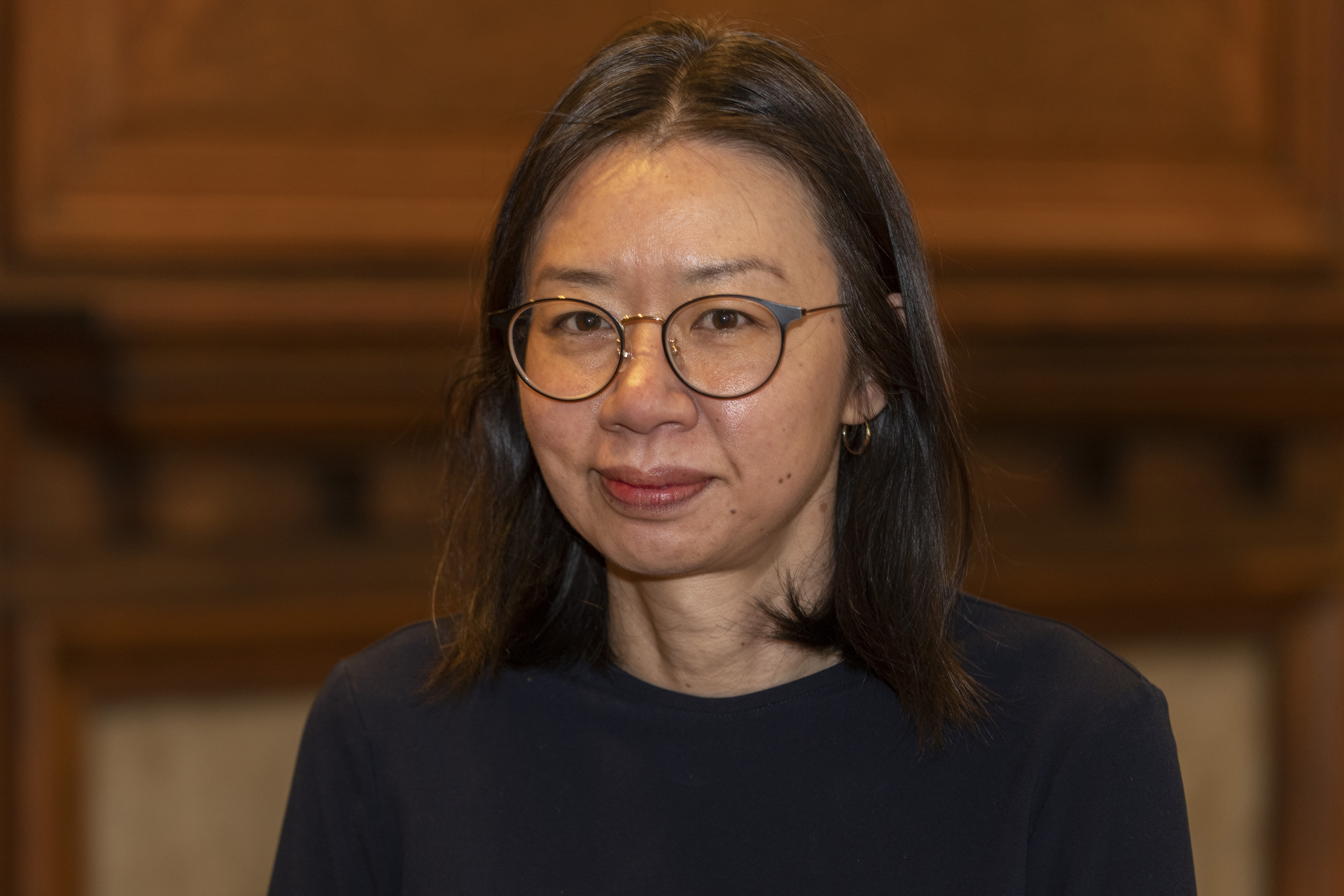
Alice Yao (Anthropology)
"Minecraft: The Social Geography of a Preindustrial Bronze Technological Tradition in Asia"
This project reframes the Southwestern Silk Road (SSR) as a historical knowledge infrastructure—an assemblage of techniques, resource ecologies, and mobile expertise that linked Yunnan with the Indian subcontinent and Mainland Southeast Asia. Often excluded from Silk Road narratives because it operated beyond formal state institutions and left limited textual records, the SSR nonetheless sustained dense circulations of copper ores, metallurgical practices, and technical know-how.
Drawing on the concepts of infrastructure and connectivity, the project conceptualizes the SSR not as a linear trade route but as a network of situated practices through which knowledge traveled with materials and bodies. Bronze emerges not simply as an object of exchange but as a medium through which social relations were enacted and stabilized. Fieldwork in Yunnan combines remote sensing, excavation, and geochemical analysis to trace how upland extraction and craft production articulated with wider systems of mobility. By centering producers and technical systems, the project highlights how upland actors co-produced one of Asia’s earliest transregional exchange networks.

Elizabeth Chatterjee (History)
“The Earth Is On Fire: A New Planetary History of the 1970s Energy Crisis”
The oil shock of 1973 is widely acknowledged as the most critical single moment in twentieth-century energy history. Scholarship has nonetheless overlooked the experience of a large group of countries, though they felt the crisis most acutely of all: poor oil-importing nations, which contemporaries branded the “Fourth World.” This project will provide a revisionist global history of the early 1970s polycrisis, centered in the global South outside the Middle Eastern and Latin American petrostates, with a particular focus on South Asia. It aims, first, to provide a novel account of the causes and form of the energy crisis, linking this to global climate and food shocks. Second, it will explore radical debates over planetary-scale redistribution that connected the crisis with the concurrent push for a New International Economic Order. Finally, it will analyze how this radicalism transmuted into a dual counterrevolution by the end of the decade, as a wave of democratic backsliding and an intensified commitment to fossil fuels saw carbon emissions begin to rise across much of the so-called Fourth World. Ultimately, the project is a methodological experiment that aims to model how historians might adapt and integrate the multisystemic lens of Earth System Science.
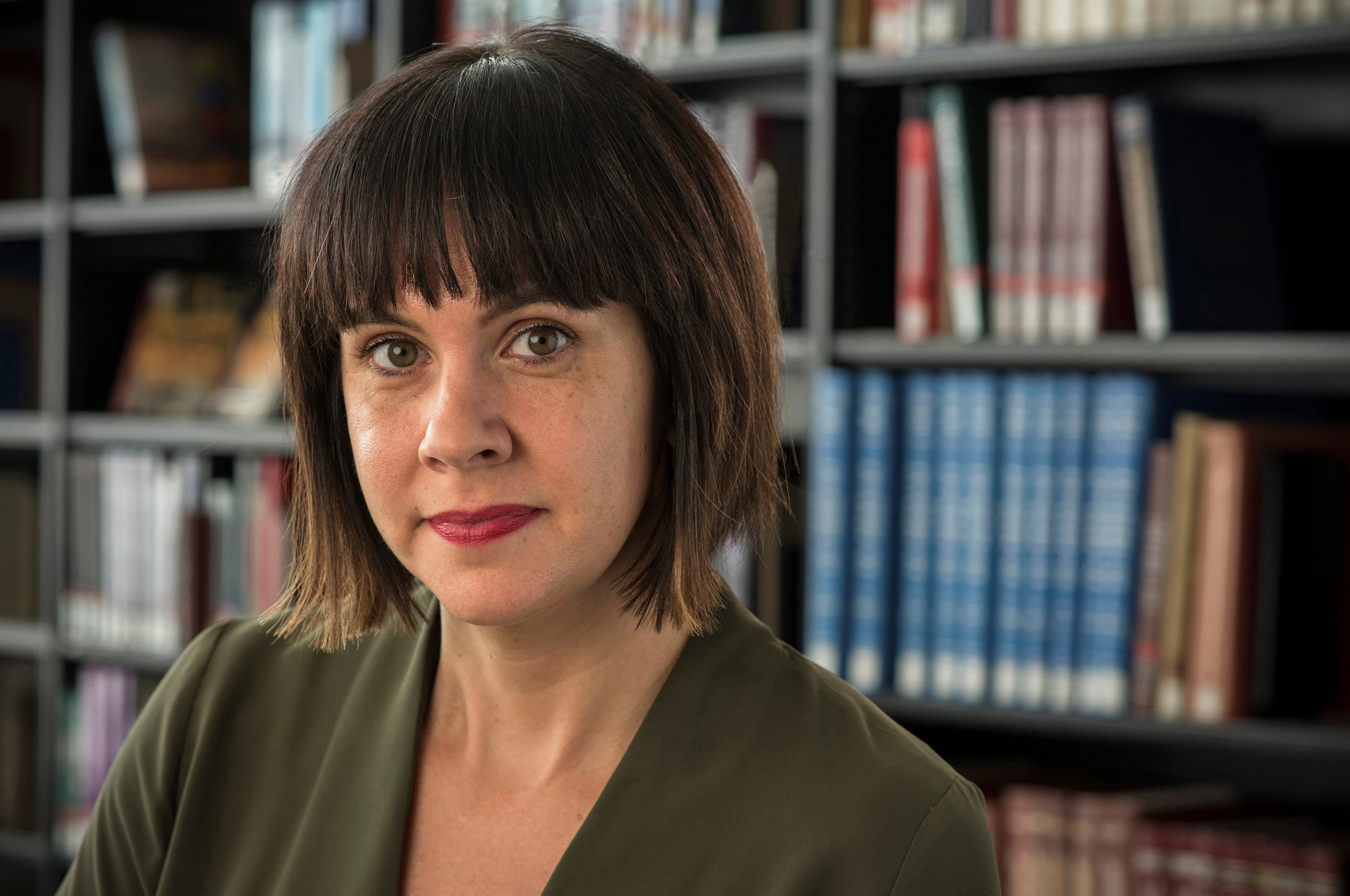
Angela Garcia (Sociology)
"Documenting Urban Citizens in the US and EU: A Comparative Politics of Municipal Identification"
How do cities craft new forms of identification when they lack the formal authority to define legal identity—and why do such initiatives emerge in some cities but not others? This project investigates the rise of municipal identification programs across two fundamentally different identification regimes: the fragmented, federalist United States and the centralized, increasingly digital European Union. Despite stark contrasts—no national ID card in the U.S. versus long-standing compulsory ID systems in most EU member states—cities in both regions are developing local identification schemes for residents excluded from national systems, including irregular migrants, asylum seekers, unhoused residents, and other marginalized groups. The project builds on a substantial U.S. research infrastructure: an original national dataset of all municipal ID programs and proposals from 2000 to 2025 and a mixed-methods study of Chicago’s CityKey program, including a survey of 7,000 ID holders and multiple waves of interviews. With CISSR support, the project extends this framework into the EU by constructing the first systematic dataset of municipal identification initiatives across European cities (2000–2025) and conducting comparative fieldwork in selected European sites. Using this cross-regional comparative design, the project asks where and why municipal ID programs emerge, how cities navigate or contest national identification systems that leave some residents insufficiently legible, and through what channels identification innovations diffuse across cities, regions, and governance scales. By analyzing both adoption and non-adoption cases across sharply contrasting institutional environments, the project develops a comparative politics of municipal identification governance, revealing how cities recalibrate the boundaries of membership and recognition in an era marked by migration, digital surveillance, and uneven access to state documentation.
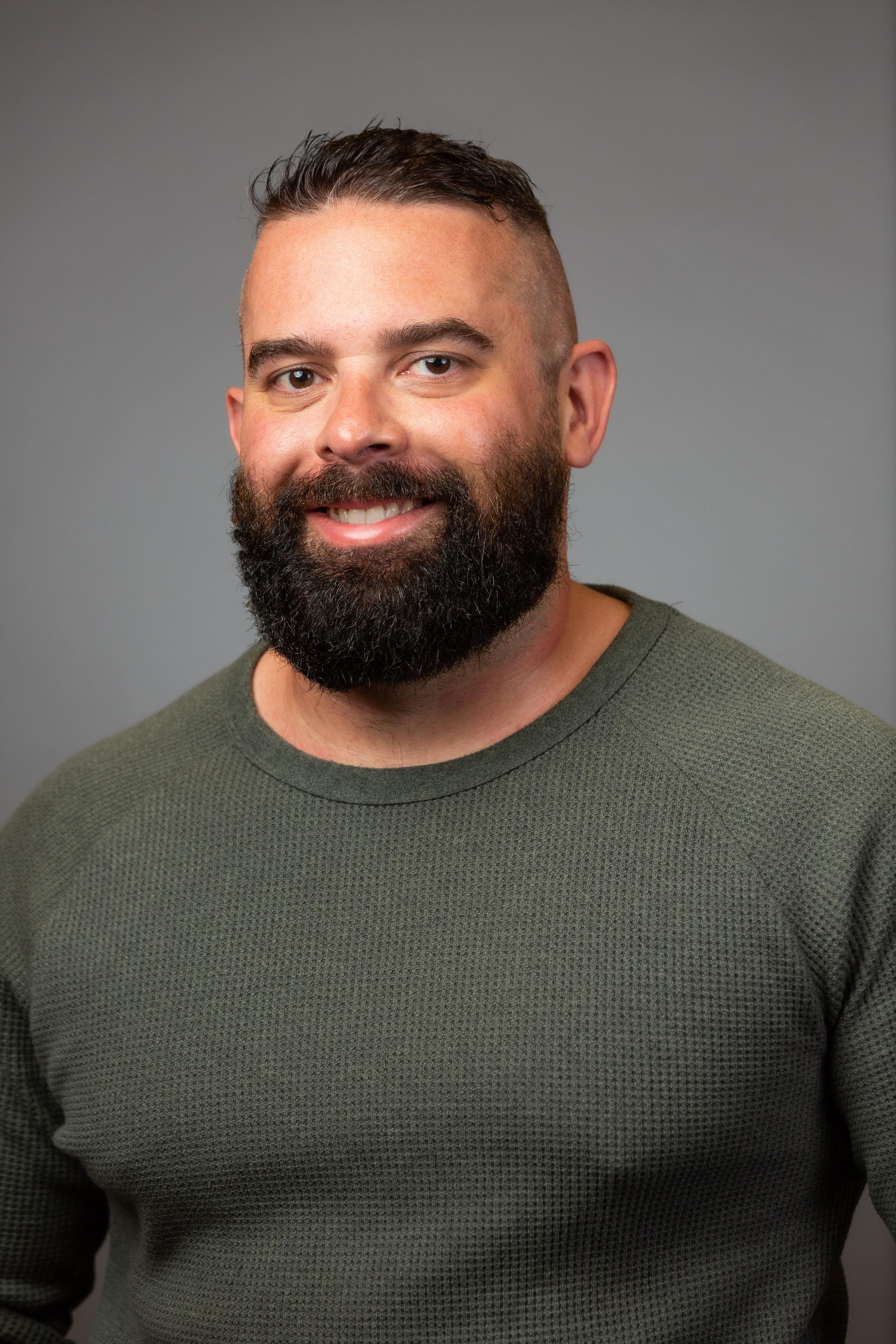
Samuel Fury Childs Daly (History)
"The Good Soldier: A Global History of Desertion"
What makes soldiers abandon the battlefield? And what do they do when they run away? To answer these questions, “The Good Soldier” turns to the murky archives of military tribunals to understand the forms of coercion that underpin military service. Military court records help us to rethink fundamental questions about freedom, power, and autonomy in military settings. Starting from the premise that desertion is not always an expression of fear, the project analyzes how it has been practiced and viewed on the modern battlefield. Desertion had many meanings; it could be an act of self-preservation, ethical refusal, or resistance depending on the context. It could also be a function of fear, boredom, homesickness, or panic. But the act of leaving the battlefield is usually the beginning of a story, not its end. Desertion stories are a lens onto a larger set of debates in military history, and they give a new perspective on some of its oldest questions. These include how honor functions as a social ideology, how labor (martial and otherwise) is compelled in martial societies, and how new communities are forged in battle. Running away can take many forms, and the question of what leads a person to abandon a cause is not just a problem for the study of war. As much as they are running away, deserters are running towards something. “The Good Soldier” follows their journeys.
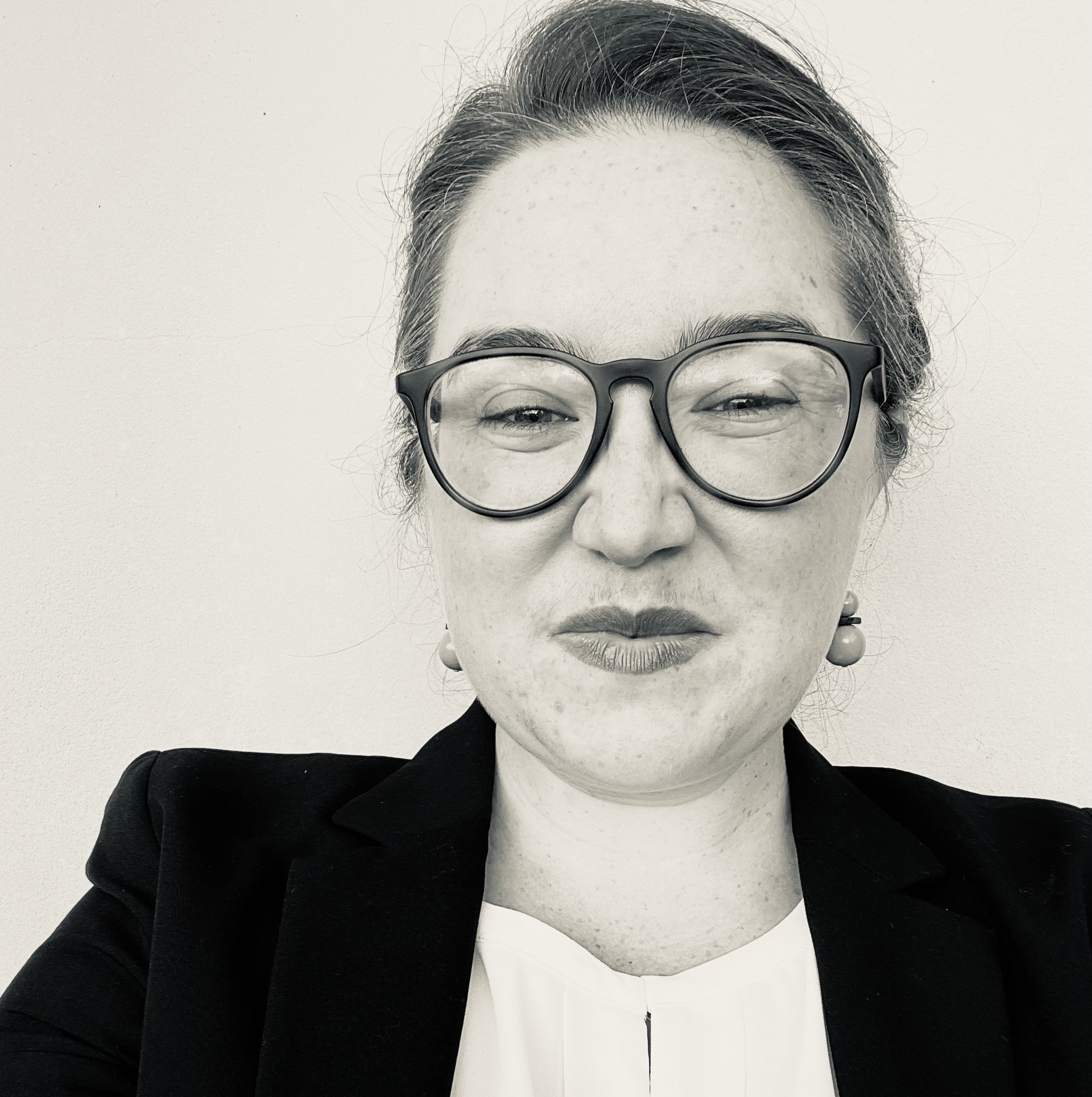
Emily Kern (History)
"Neanderthals: A Human History"
What do Neanderthals tell us about what it means to be human, and how has the answer to that question changed over time? Neanderthals: A Human History examines the changing status of Neanderthals (Homo neanderthalensis) and their movement in and out of the human evolutionary lineage over the last 170 years. In this project, I focus on interpretive shifts in the construction of race, relatedness, and the species boundary, and how those distinctions get reconfigured at moments of scientific and technological change. Examining Neanderthals as a kind of boundary object (following Star and Griesemer, 1989), this project is organized around six major temporal episodes of conflict or debate in Neanderthal studies, including: debates about race and ancestry immediately after the discovery of the first Neanderthal near Frankfort in 1856; the expulsion of Neanderthals from the human lineage in 1909 and the concurrent debates on prehistoric Cro-Magnons as the “first Europeans;” interwar excavations at Mount Carmel (Skhūl and Tabun) in Mandatory Palestine; the readmittance of Neanderthals to the human evolutionary lineage in 1955; the first evidence for behavioral modernity in Neanderthals, including evidence of deliberate burial and caretaking; and concluding with renewed racial and ancestral discourses in Neanderthal heritage testing through direct-to-consumer DNA companies like 23&Me.